

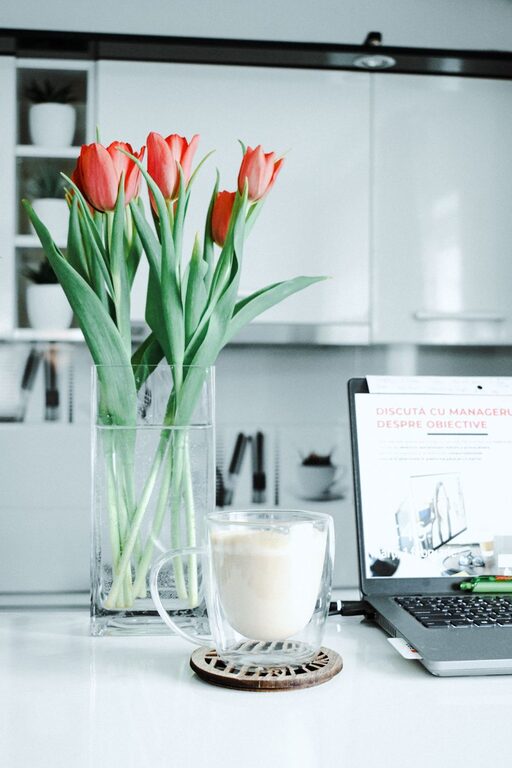
Creating a relaxing home workspace is more important than ever as many people continue to work remotely or adopt flexible schedules. A calm, well-organized environment can improve concentration, reduce stress, and ultimately boost productivity. Whether you have a dedicated room or a small corner, these tips will help you design a home workspace that supports both comfort and efficiency.
Why a Relaxing Workspace Matters
Your environment directly influences how you work. A cluttered, noisy, or uncomfortable workspace can cause distractions and fatigue, lowering productivity. In contrast, a clean and peaceful setup can make work feel more enjoyable and keep your mind focused on tasks.
Choose the Right Location
Selecting the best spot in your home to set up your workspace is the first step.
– Natural Light: Whenever possible, position your desk near a window to take advantage of natural light. Sunlight helps regulate your body’s internal clock and can boost mood and energy levels.
– Quiet Area: Find a place with minimal noise and foot traffic. If you don’t have a separate room, use room dividers or noise-canceling headphones to create a sense of separation.
– Comfortable Temperature: Ensure the area has good ventilation and a comfortable temperature. Neither too hot nor too cold, as extreme temperatures can distract you.
Invest in Ergonomic Furniture
Comfort is key when you spend long hours working. Ergonomic furniture supports your body and helps prevent discomfort or injury.
– Ergonomic Chair: A chair with adjustable height, lumbar support, and armrests can reduce back pain and enhance posture.
– Desk at Proper Height: Your desk should allow your arms to rest comfortably at about a 90-degree angle while typing.
– Foot Support: If your feet don’t rest flat on the floor, a footrest can improve circulation and posture.
Declutter and Organize
An organized workspace reduces stress and helps maintain focus.
– Minimal Essentials: Keep only the items you use regularly on your desk.
– Storage Solutions: Use shelves, drawers, or containers to store paperwork and supplies neatly.
– Cable Management: Tidy up cords with clips or cable organizers to keep your desk clean.
– Daily Tidy-Up: At the end of your workday, spend a few minutes putting things back in place.
Use Calming Colors and Decor
Colors and decorations can influence your mood and productivity. Choose elements that promote relaxation without distracting from work.
– Soothing Colors: Soft blues, greens, or neutrals are generally calming and help reduce eye strain.
– Plants: Adding greenery can improve air quality and create a sense of calm.
– Personal Touch: Display a few inspiring items or photos, but avoid clutter.
– Good Lighting: Besides natural light, add soft, adjustable task lighting to avoid harsh shadows.
Manage Noise and Distractions
Noise can disrupt concentration, so it’s important to manage sounds in your workspace.
– Noise-Canceling Headphones: Great for blocking out background noise.
– Ambient Sounds: Some people find white noise or nature sounds helpful for focus.
– Set Boundaries: Communicate your work hours to family or roommates to minimize interruptions.
Incorporate Break Areas
Taking regular breaks is critical for maintaining productivity and mental well-being.
– Separate Space: If possible, create a small area to relax away from your desk.
– Stretching and Movement: Include some space to stretch or do light exercises.
– Comfortable Seating: A cozy chair or cushion can make breaks more effective.
Organize Your Digital Workspace
A cluttered computer desktop can be just as distracting as your physical space.
– Clean Desktop: Keep only essential icons and files in view.
– Use Productivity Tools: Apps that manage tasks, schedules, or reminders can help maintain focus.
– Limit Notifications: Turn off non-essential alerts during work hours.
Establish a Routine
A consistent routine helps your mind associate your workspace with work.
– Set Work Hours: Define specific start and end times.
– Prepare Your Space: Start each day by tidying and setting up your workspace.
– Include Transition Moments: Take a short walk or do breathing exercises before beginning work to get into the right mindset.
Final Thoughts
Designing a relaxing home workspace is about creating a balance between comfort, organization, and functionality. Your workspace should support your specific work style and needs while promoting calm and focus. With thoughtful planning and small adjustments, you can transform your home office into a productive haven where work feels less like a chore and more like a rewarding part of your day.